able.
A collection of physical and digital tools for remote novice electronics makers using mobile devices. Developed during COVID-19 to address challenges facing makerspaces and communities of practice.
Client: MFA Thesis Project
Year: 2021
Roles: Designer & Researcher
Practices: Interaction Design, Research, Learning Design, Fabrication, Emerging-Tech R&D, Prototype-to-Production
Domains: Interactive Experiences, Immersive & Spatial Media, Physical-Digital Systems
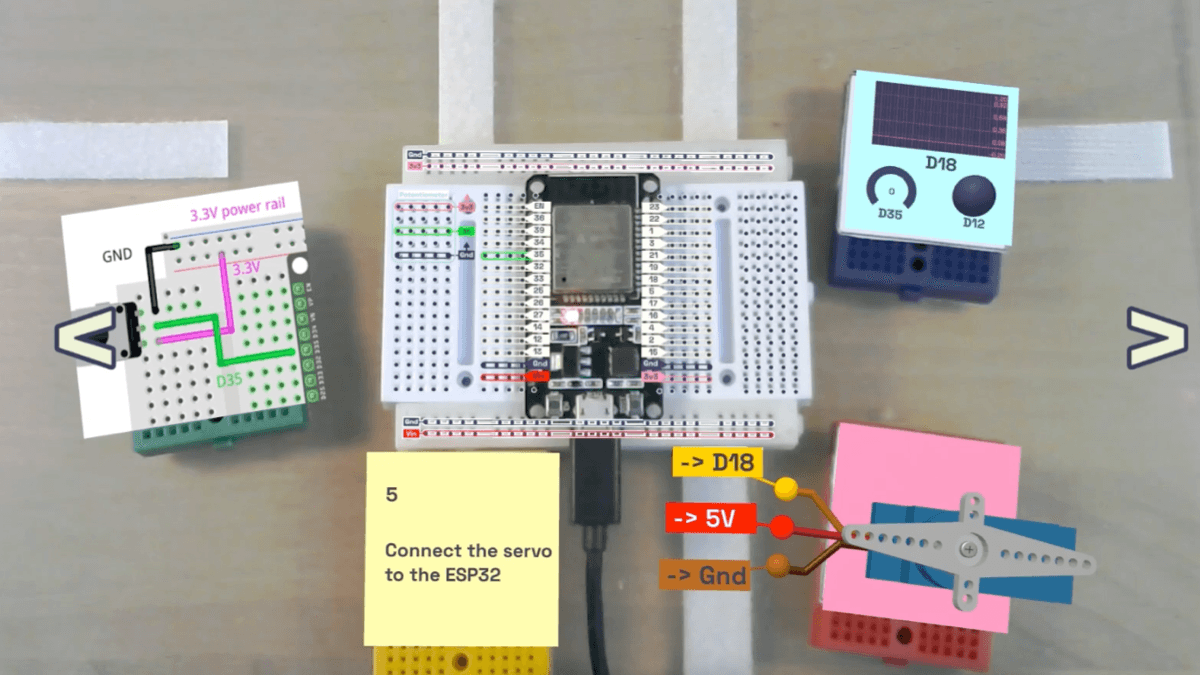
Bringing communities of practice into remote makerspaces
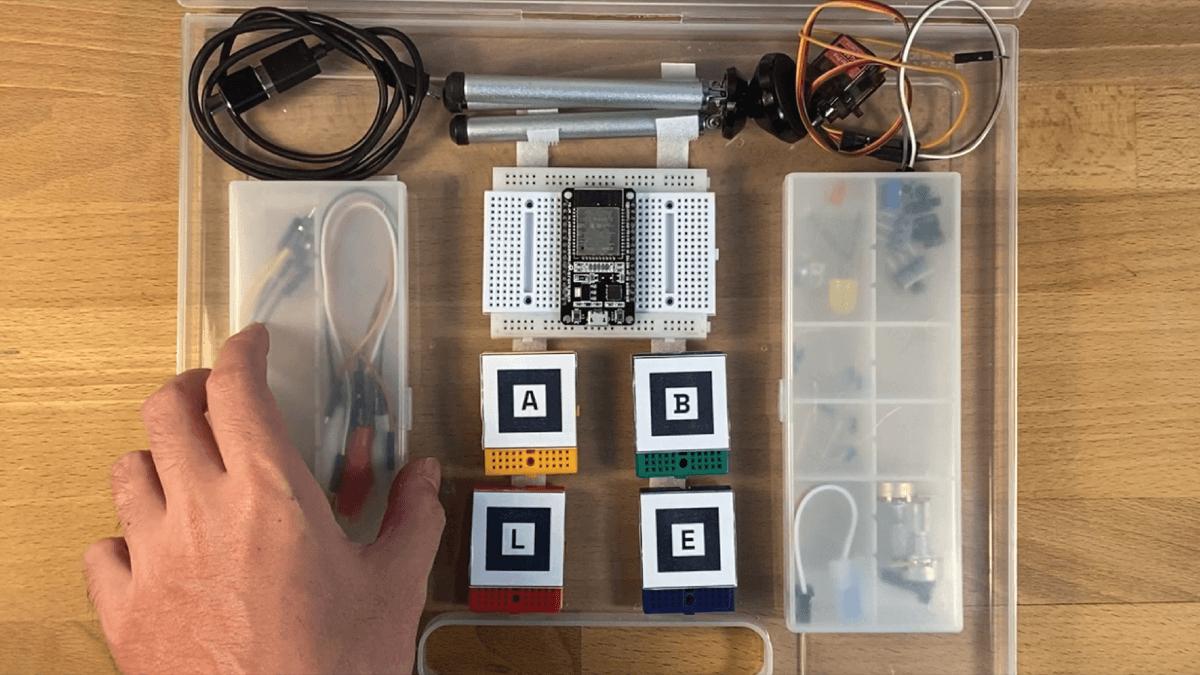
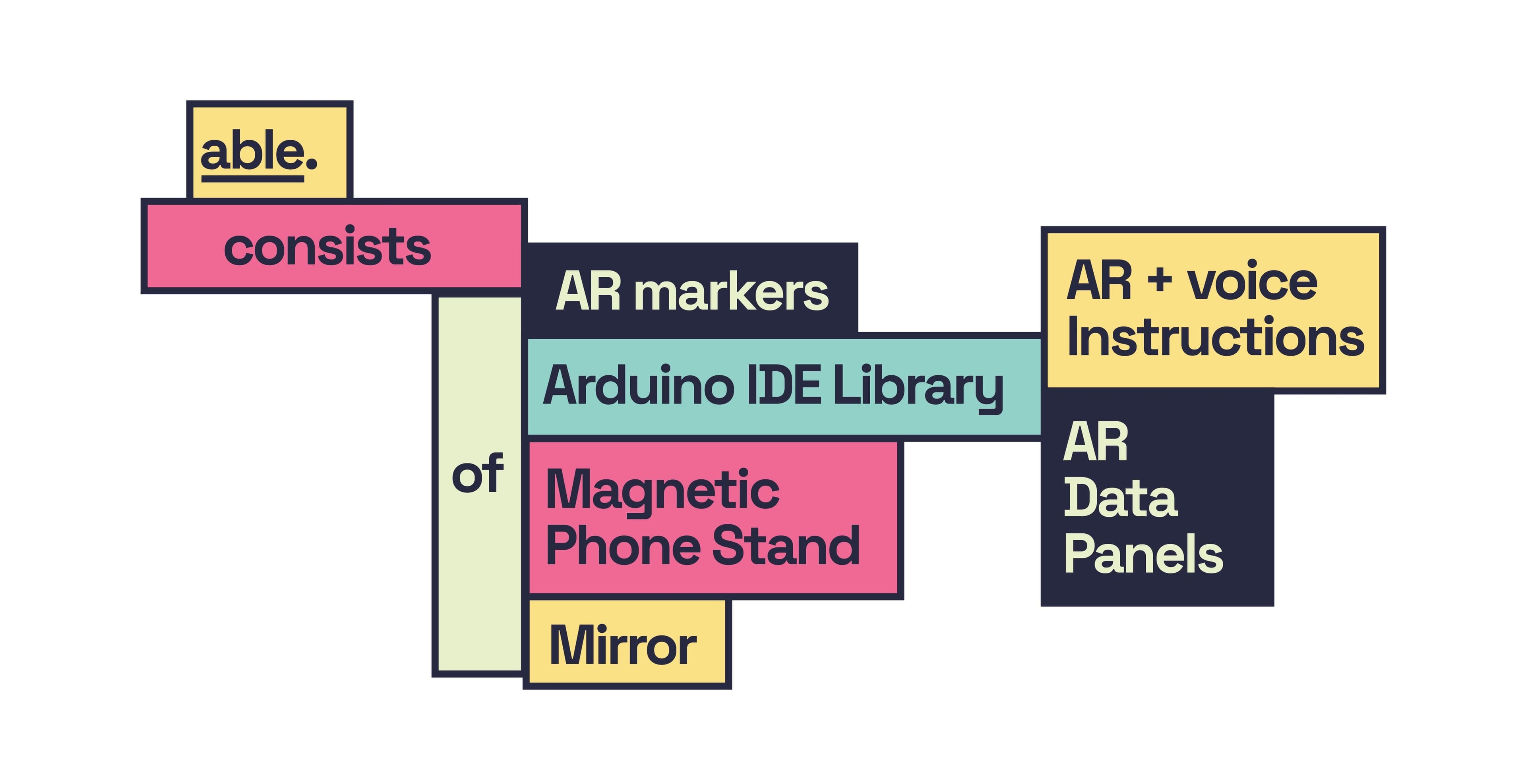
able. (Augmented Bench Learning Experiences) is a collection of physical and digital tools for remote novice electronics makers, using a mobile device.
Conceived during COVID-19 after interviews and research into maker communities, this project addresses the challenges facing makerspaces and communities of practice. Using as many readily available and cost-effective elements as possible, it proposes ways to bridge challenges in remote guidance, self-guided learning, and accessibility.
Tangible AR
Part of a multi-year exploration (2018–2021) into bridging the tactile-digital divide — described at the time as "akin to touching something and effecting change in a parallel universe." Unlike spARk's Unity+Vuforia approach, able. used web-first AR (AFrame + ARjs) to keep the tools accessible on any mobile device without app install. The AR markers anchored dynamic content that reflected the state of the prototyping board, closing the feedback loop between physical circuit and digital display.
Key Components
- Mobile device-based webAR system for electronics makers
- Modular toolkit adaptable to any home workbench
- Hands-free, mobile-centric workbench design
- Remote guidance: mirror attachment and guided laser pointer for video calls
- Dynamic AR markers with state persistence tied to the prototyping board
Thesis Advisors
Katherine Moriwaki, Andrew Zornoza, Aya Karpinska, Louisa Campbell