Google Play @ G-Star 2025
A pixel art game built for Google Play Points at Korea's GStar gaming convention (~200,000 attendees). Players explore four stages hunting hidden gems using a hot/cold mechanic, then alchemise collected gems into real prizes.
Client: Google Play Points
Year: 2025
Roles: Prototyper, Senior Creative Technologist, Game Development Lead
Practices: Interaction Design, Prototyping, Game Development, Emerging-Tech R&D, Web Development, Prototype-to-Production
Domains: Interactive Experiences, Generative AI, Brand Communication
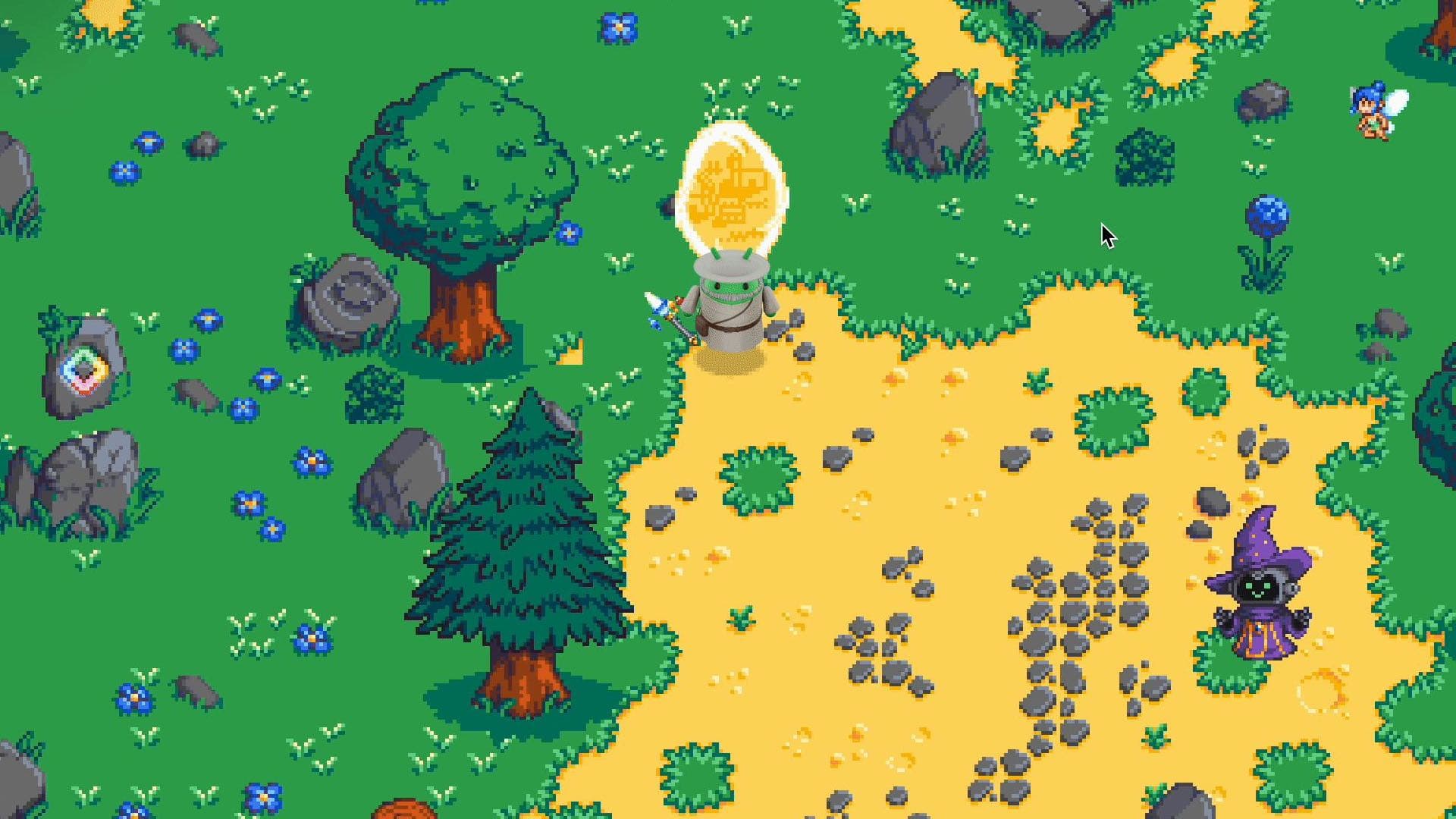
Google Play @ G-Star 2025 : Pixel art game with generative avatars
01 · The Challenge
Google Play Points runs a game to engage members at G-Star every year — Korea's largest gaming convention, roughly 200,000 attendees. The brief was to improve on the prior year's iteration.
The pitch: a pixel art world where players hunt for hidden gems using a wizard's staff, collect them, and alchemise them into real prizes. The client approved the concept. The team came into production uncertain what made it a game, or how to start building one — which is where prototyping began.
02 · The System
The initial proof of concept was built in p5.js — fast to prototype and easy to demonstrate. The production version used vanilla JavaScript with no engine, partly due to team preference and partly because Google's server constraints and Vue compatibility requirements made third-party frameworks difficult to justify.
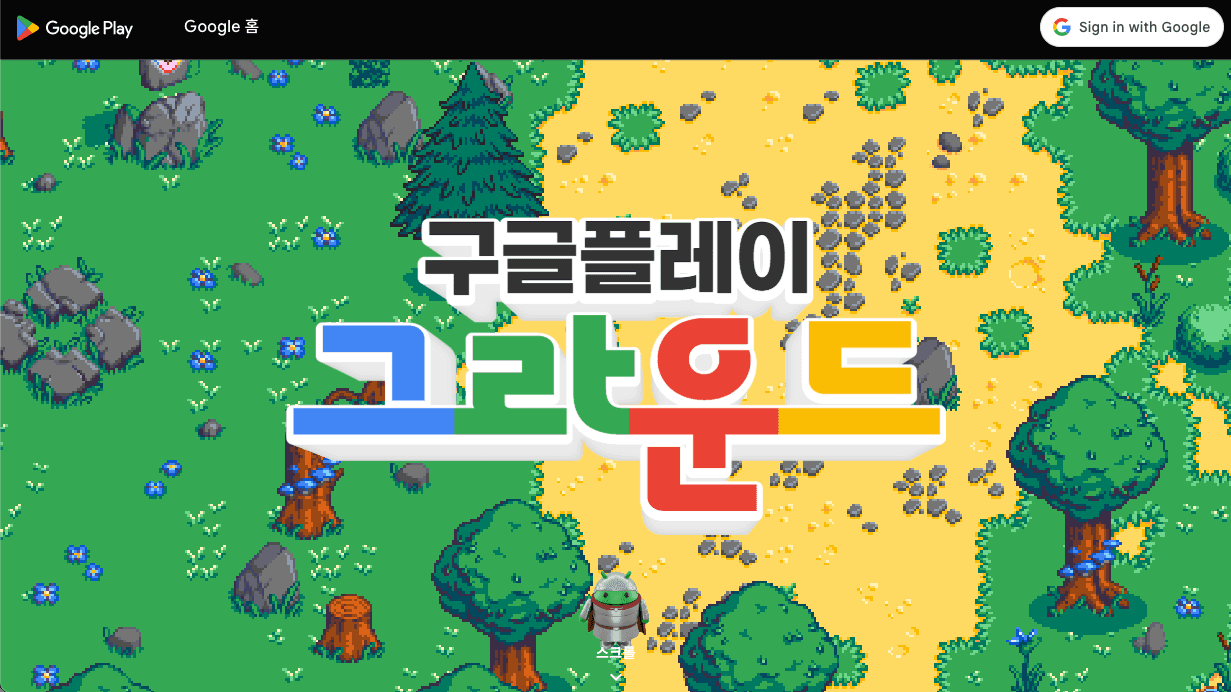
The game spans four stages — Market, Forest, Cloud Temple, Castle — each built in Tiled using tilemap assets from a dedicated pixel artist. Each stage is a layered tile map with walkable areas, blocked zones, and foreground objects the player can pass behind.
A hot/cold mechanic drives gameplay: a wizard's staff glows brighter as the player moves closer to a hidden gem. Gems feed into an alchemisation system for combining items into real prizes.
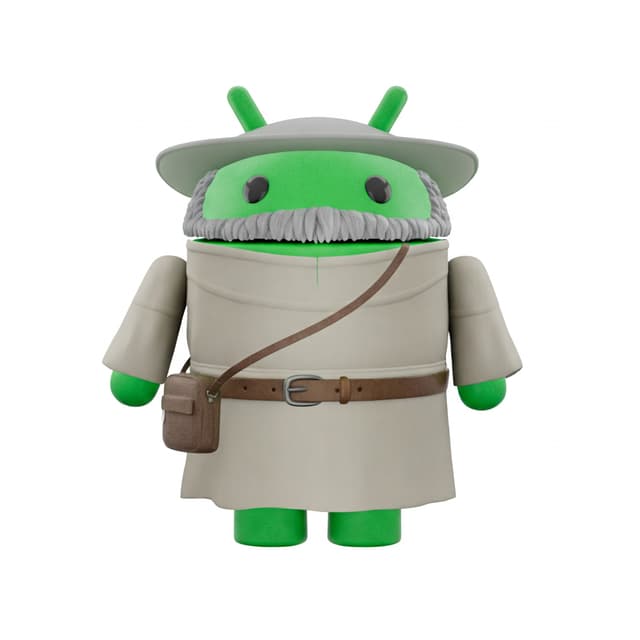
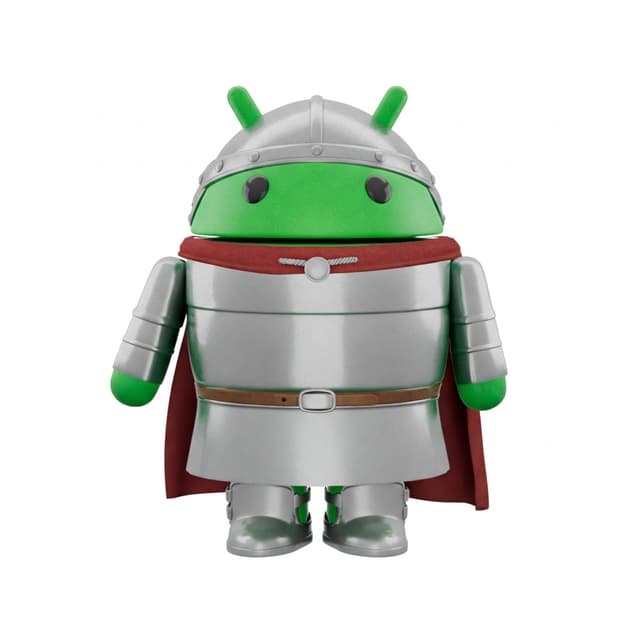
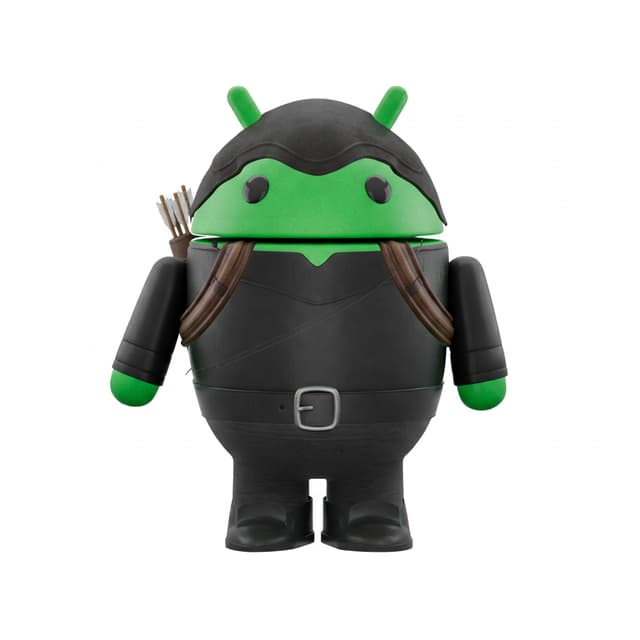
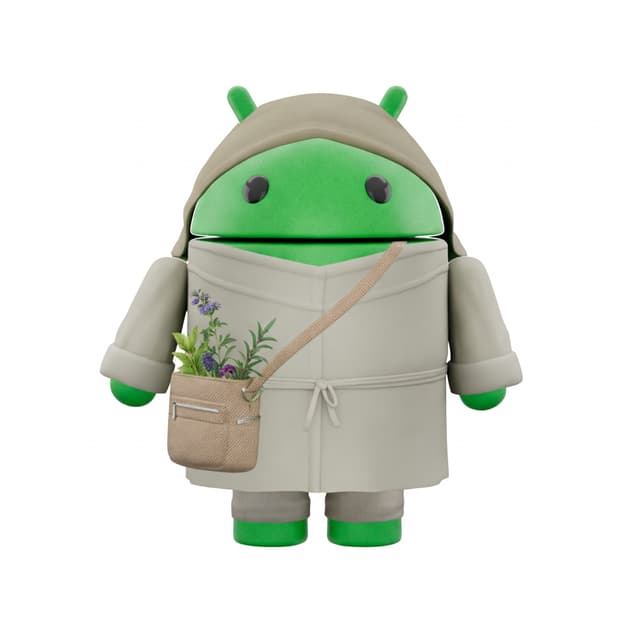
Player avatars came from the Androidify engine, offering seven character classes (druid, bard, paladin, fighter, gamer, rogue, ranger), each animated across four directional movement states using Veo, and implemented as sprite-controlled characters with keyboard and mouse input.
03 · The Decisions
The original tilemap architecture used seven layers, intended to stay manageable at prototype scale. As the game evolved, players needed to pass in front of and behind entire objects — trees, buildings, foreground elements with depth. The layer plan didn't accommodate this at production scale.
Rather than defending the initial architecture, I asked Oliver Dooley to rework it. I wasn't precious about the code. Dooley improved the tilemap system and made broader performance improvements. The right call was recognising where the problem exceeded the initial design.
Honest self-assessment: a more thorough design pass on depth and foreground behaviour before building would have caught it earlier. The same lesson as the PlayCanvas reflection probe gap on Moncler — capability evaluation upfront saves critical-path rework later.
The client rejected pixelised Androidify outputs — the style didn't hold at low resolution, so characters stayed clean. This also avoided brand team concerns about modifying the Android mascot.
04 · The Complexity
The pitch succeeded, but the team came into production without a clear answer to a fundamental question: what makes this a game rather than an interactive experience? The prototype had to answer that by demonstrating compelling mechanics, not through game design theory.
The avatar work bridged two projects: outputs from Androidify, animated via Veo, gave the game characters carrying Google's visual language without a separate asset pipeline. The connection was a deliberate reuse of work already done, applied in a new context.
The game shipped for a live event at BEXCO, Busan in front of roughly 200,000 people over four days. The constraint was a live product for a gaming convention crowd, not a demo.
05 · The Evidence
The core loop was proven: explore, detect (hot/cold staff mechanic), collect, alchemise. The stages were designed to offer distinct visual identities while sharing the same underlying mechanics — Market and Castle by me, Forest and Cloud Temple by Anett Jaschke.
06 · My Contribution
Prototyped core mechanics in p5.js — movement, inventory system, hot/cold gem detection — and built the initial production version in vanilla JavaScript. Implemented the avatar system using Androidify outputs animated with Veo, and built directional sprite control. Designed and built two of the four stages (Royal Castle and Market) in Tiled, collaborating closely with pixel artist Anett Jaschke, who designed all tile maps, pixel UIs, and built Forest and Cloud Temple. Handed off the avatar animation system for remaining character classes and directions.
Worked alongside Oliver Dooley (significant architectural improvements to tilemap and codebase), a junior developer (UI), and associate and senior tech directors (event site build and client relationship).
Collaborators
R/GA: Oliver Dooley, Anett Jaschke